
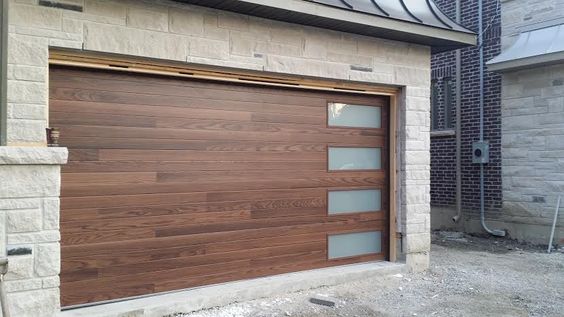
Regular garage door maintenance prevents costly repairs by catching worn springs, frayed cables, and misaligned tracks before they fail. In Phoenix, heat accelerates wear on every moving part. Scheduling garage door repair in Phoenix, AZ, at the earliest sign of trouble keeps your system running longer and your repair bills lower. Southwest Garage Doors recommends servicing your door twice a year to stay ahead of the desert heat.

Why Does Maintenance Matter More in Phoenix?
Phoenix’s heat puts garage doors under stress that most climates never create. Temperatures above 110°F cause metal parts to expand, rubber seals to crack, and lubricants to break down fast. Those friction points turn into broken rollers, snapped cables, and failed springs, all of which cost far more to fix than a simple tune-up.
What Does a Routine Maintenance Checklist Look Like?
A complete maintenance visit covers every part of the system:
Mechanical and Structural Parts
- Springs and cables: Check for wear, rust, or uneven tension
- Rollers and hinges: Inspect for cracks or wobbles; replace worn rollers
- Tracks: Clear debris and check alignment
- Weather seals: Look for cracking or gaps that let in heat and dust
- Opener: Test force settings, auto-reverse function, and safety sensors
Lubrication
Apply garage-door-specific lubricant to all moving metal parts every six months. The U.S. Consumer Product Safety Commission (CPSC) advises testing the opener’s auto-reverse function monthly. If it fails, call a professional.
How Does Maintenance Compare to Reactive Repairs?
Waiting until something breaks costs more time, money, and stress. Here’s how proactive maintenance compares to reactive repairs:
| Maintenance Task | What It Prevents |
| Semi-annual lubrication | Premature wear on rollers, hinges, and springs |
| Weather seal inspection | Heat and dust infiltration that strains the opener |
| Spring and cable check | Sudden snap failure that leaves the door inoperable |
| Opener force and sensor test | Safety hazards and costly opener replacement |
| Track alignment check | Worn rollers grinding into the track over time |
Catching issues early is always less disruptive than an emergency call.
When Should You Schedule a Professional Inspection?
Recommended Schedule
Schedule a professional inspection twice a year: once before summer peaks in May and once in October. If anything feels off between visits, call for garage door repair services near Phoenix, AZ, rather than waiting.
What a Technician Checks That Homeowners Miss
A trained technician measures spring tension, tests opener force settings, checks cable drum alignment, and confirms rollers are rated for high-cycle use. These are details that don’t show up until something snaps.
At Southwest Garage Doors, we check what others skip and fix what others overlook.
FAQ
- How often should I lubricate my garage door in Phoenix?
Every six months at a minimum. Use a garage-door-specific lubricant on hinges, rollers, and tracks. Standard WD-40 breaks down quickly in high heat and strips existing lubrication.
- How long will a well-maintained garage door last in Phoenix?
A properly maintained steel or aluminum door can last 20 to 30 years. Springs need replacement every 7 to 10 years, but upkeep extends the life of every other component.
- Does maintenance affect my garage door warranty?
Yes. Amarr states that DIY repairs can void warranty coverage, and LiftMaster excludes damage from failure to follow maintenance instructions or unauthorized repairs. Without a professional service record, claims can be denied even for unrelated issues.

Keep Your Garage Door Running Right
A well-maintained garage door is one less thing to worry about. We serve Phoenix, Scottsdale, Paradise Valley, and nearby areas.
Contact Southwest Garage Doors at danc@swgaragedoors.com or call (480) 662-7656